Labels

303 GALLERY AGE OF AQUARIUS AI WEIWEI ALDO MONDINO ALIGHIERO BOETTI ALLORA & CALZADILLA AMSTERDAM ANDREAS GURSKY ANDREAS SCHON ANDY CROSS ANDY WARHOL ANISH KAPOOR ANNE IMHOF ANSELM KIEFER ANTON CORBIJN ARNDT ARNOLFINI ART PROSPECT ARTISSIMA ARTIST BOOK ATTILA CSORGO BALI BARBARA KRUGER BARCELONA BASEL BASQUIAT BEATRIX RUF BELA KOLAROVA BENJAMIN DEGEN BEPI GHIOTTI BERLIN BERND E HILLA BECHER BETTY WOODMAN BIENNALE BORIS MIKHAILOV BRISTOL BROOKLYN MUSEUM CAI GUO-QIANG CAMILLE HENROT'S CANDIDA HOFER CARDI GALLERY CARL ANDRE CAROL RAMA CAROLEE SCHNEEMANN CARSTEN HOLLER CASTELLO DI RIVARA CASTELLO DI RIVOLI CATHERINE AHEARN CENTRE POMPIDOU CHARLES RAY CHARLINE VON HEYL CHICAGO CHRIS BURDEN CHRIS WATSON CHRISTIAN BOLTANSKI CHRISTIE'S CHTO DELAT COLOGNE CONCEPTUALISM COPENHAGEN COSMIC CONNECTIONS CRISTIAN BOLTANSKY CY TWOMBLY DAMIEN HIRST DAN GRAHAM DANH VO DANIEL EDLEN DANIEL RICH DANNY MC DONALD DAVID ZWIRNER DIA ART FOUNDATION DIET WIEGMAN DIETER ROTH DOCUMENTA DUBAI DUSSELDORF ED ATKINS EDEN EDEN ELGER ESSER EMILIO ISGRO' ESKER FOUNDATION ETTORE SPALLETTI EVA HESSE EVA PRESENHUBER FANG LIJUN FAUSTO MELOTTI FELIX GONZALES-TORRES FILIPPO SCIASCIA FONDATION BEYELER FONDATION CARTIER FONDAZIONE MERZ FRANCESCO BONAMI FRANCESCO POLI FRANCESCO VEZZOLI FRANCIS BACON FRANKFURT FRANZ KLINE FRIEDMAN GABRIEL OROZCO GABRIEL YARED GAM GARY ROUGH GEORGE BURGES MILLER GEORGE HENRY LONGLY GERHARD RICHTER GILBERT & GEORGE GIULIO PAOLINI GLADSTONE GALLERY GREENE NAFTALI GUENZANI GUGGENHEIM GUGGENHEIM BERLIN GUGGENHEIM BILBAO GUILLAUME LEBLON HAMBURG HAMBURGER BAHNHOF HAMISH FULTON HANGAR BICOCCA HAUSDERKUNST HAUSER & WIRTH HE XIANGYU HELENA ALMEIDA HEMA UPADHYAY HENRY MOORE HIROSHI SUGIMOTO HOWIE TSUI HUANG YONG PING IAN BREAKWELL ICA ICHWAN NOOR INSTALLATION INTERVIEW ISABELLA BORTOLOZZI ISTAMBUL JAMES LAVADOUR'S ROSE JAMES MELINAT JAMIE XX JANET CARDIFF JANNIS KOUNELLIS JASSIE BOSWELL JEFF KOONS JEPPE HEIN JESSICA WARBOYS JIVYA SOMA MASHE JOAN FONTCUBERTA JOHN BALDESSARRI JOHN MCCRACKEN JOHN STEZAKER JON RAFMAN JORG SASSE JOSEPH KOSUTH JOTA CASTRO JURGEN TELLER KARA TANAKA KARL ANDERSSON KARLSRUHE KAVIN APPEL KONRAD LUEG KUNSTHAUS KUNSTMUSEUM LARRY BELL LIA RUMMA LISSON GALLERY LIU YE LONDON LOUISE BOURGEOIS LUC TUYMANS LUCIAN FREUD LUCIE STAHL LUIGI MAINOLFI LUISA RABBIA MADRE MAM PARIS MARC QUINN MARCO CASSANI MARIA CRISTINA MUNDICI MARIAN GOODMAN MARINA ABRAMOVIC MARIO MERZ MARK LECKEY MARK ROTHKO MARTIN KIPPENBERGER MARTIN McGEOWN MARZIA MIGLIORA MASSIMO DE CARLO MATTHEW BARNEY MAURIZIO CATTELAN MAX SCHAFFER MAXXI MIAMI MIKE PARR MILAN MIMMO ROTELLA MING WONG MOMA MONTREAL MOUSSE MUMBAI MUYBRIDGE NATIONAL GALLERY NEW YORK NICO MUHLY NOBUYOSHI ARAKI NOTTINGHAM CONTEMPORARY NY OFCA INTERNATIONAL OLAFUR ELIASSON OSCAR MURILLO OTTO PIENE PACE GALLERY PAOLA PIVI PAOLO CURTONI PARIS PAUL MCCARTHY PERFORMANCE PHILIP GLASS PHILIP-LORCA DICORCIA PHILIPPE PERRENO PHILLIPS DE PURY PHOTOGRAPHY PIA STADTBAUMER PIPILOTTI RIST PORTRAITS PRISCILLA TEA RAPHAEL HEFTI REBECCA HORN RICHARD LONG RICHARD SERRA RICHARD T. WALKER RICHARD TUTTLE RINEKE DIJKSTR ROBERT MORRIS ROBERT SMITHSON ROBERT SMITHSON'S ROBIN RHODE ROMA RON MUECK RUDOLF HERZ RUDOLF STIEGEL RUDOLF STINGEL SAM FRANCIS SANTIAGO SERRA SARAH SUZUKI SCULPTURE SHARJAH BIENNAL SHIGERU TAKATO SIMON THOMPSON SOL LEWITT SOPHIE CALLE SPY STEDELIJK MUSEUM STEPHAN BELKENHOL STEVE MCQUEEN STEVE REINKE SUBODH GUPTA SUSAN PHILIPSZ TALA MADANI TATE BRITAIN TATE BRITIAN TATE MODERN TERESA MARGOLLES THADDAEUS ROPAC THE RENAISSENCE SOCIETY THOMAS EGGERER THOMAS HIRSCHHORN THOMAS RUFF THOMAS SARACENO THOMAS STRUTH TIM FAIN TOBIAS ZIELONY TOM FRIEDMAN TONY COKES TONY CONRAD TONY CRAGG TOO MUCH TOTAH TOZER PAK TURIN TURNER PRIZE UGO RONDINONE UK ULAY VANESSA BEECROFT VENICE BIENNALE VERA LUTTER VICTOR MOSCOSO VICTORIA MIRO VIENNA VIK MUNIZ VOID SERIES WHITE CUBE WHITECHAPEL GALLERY WIELS WILLIAMS PRESENHUBER WU TSANG YAN PEI-MING YANG YONGLIANG YOHJI YAMAMOTO YOKO ONO YUSUKE BENDAI YVES KLEIN ZHANG DAQIAN ZURICH
Showing posts with label RICHARD LONG. Show all posts

19.6.15

RICHARD LONG | ARNOLFINI

RICHARD LONG OFFSITE COMMISSION: BOYHOOD LINE 

Saturday 20 June 2015 to Sunday 15 November 2015, 00:00

Alongside Richard Long’s major new solo exhibition at Arnolfini, the artist will make a new work on The Downs in Clifton. 
Richard Long was born in Bristol and has lived locally since 1945. He spent his early years living in Clifton, and as a child he sought out the Downs, Avon Gorge and countryside close by. He has talked about the physical connection with nature and freedom that he felt as a boy playing in in these grassy, rocky places – the towpath, scree gullies and the woods of the gorge, of making campfires and toboggan runs when it snowed.
When studying at St Martin’s College in London, Long returned often to Bristol to make work, and several of the artists’ key early works were made on The Downs including Snowball Track, 1964, and England, 1968. The roots of Long’s engagement with the landscape can be seen in his connection to these places. They have remained areas of particular significance and he continues to work with local materials, such as mud from the River Avon, in works which are now realised across the world.
The new work, Boyhood Line, 2015, that Long will make with white limestone centres on a footpath close to Ladies Mile, a ‘desire line’ which has been made over many months by the footprints of people walking across the Downs, instinctively following the same path and establishing an unplanned path through the grass.
Richard Long is considered to be among the most important artists of his generation. In 1969, his work was included in the seminal exhibition ‘When Attitudes Become Form’ at the Kunsthalle Bern, for which he presented his first text work documenting a walk made in the Alps. He won the Turner prize in 1989, and represented Great Britain at the 37th Venice Biennale in 1976. He was awarded Japan’s Praemium Imperiale in the field of sculpture in 2009, and was made a CBE in 2013. He has made artworks in all five continents and has had over 250 solo exhibitions to date.

Richard Long: TIME AND SPACE

Boyhood Line is part of a major exhibition by Richard Long at Arnolfini, that explores the artist's enduring relationship with the landscape of Bristol and the South West – a starting point for so many of his iconic works. This exhibition will bring together recreations of previous important works and entirely new commissions, both in the gallery and on The Downs, where the artist spent much of his childhood. A programme of events accompanies the exhibition and offsite commission, including walks, talks and conversations, family events, screenings and performances. Read more...  
 http://www.arnolfini.org.uk/whatson/richard-long-offsite-commission
The project has been made possible by the generous support of Simplyhealth - Art in the Public Realm Commission Award.

11.1.12

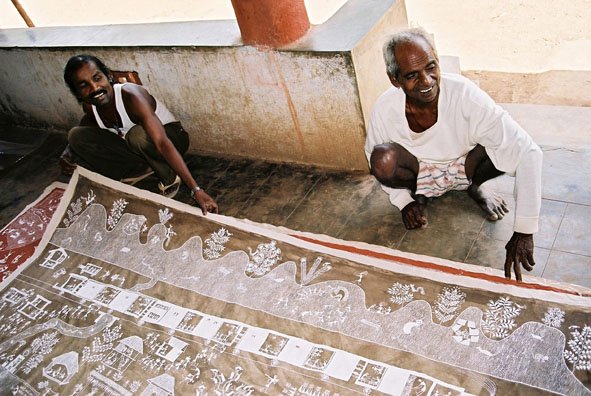
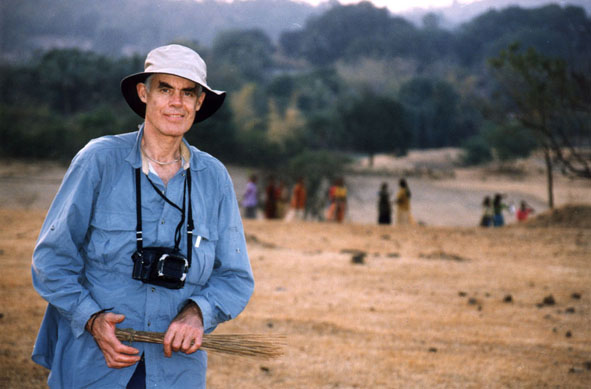
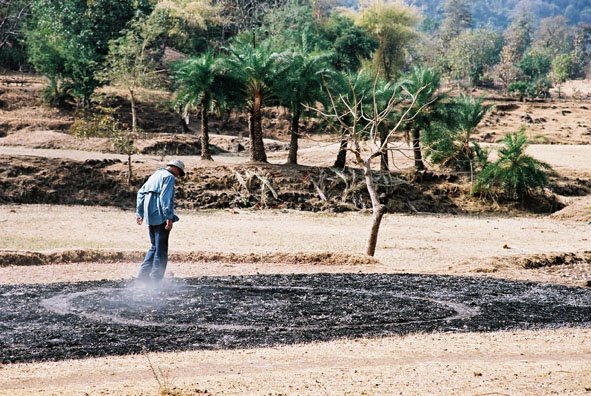
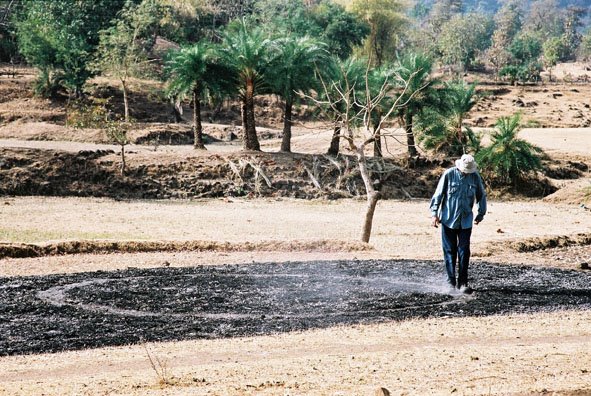
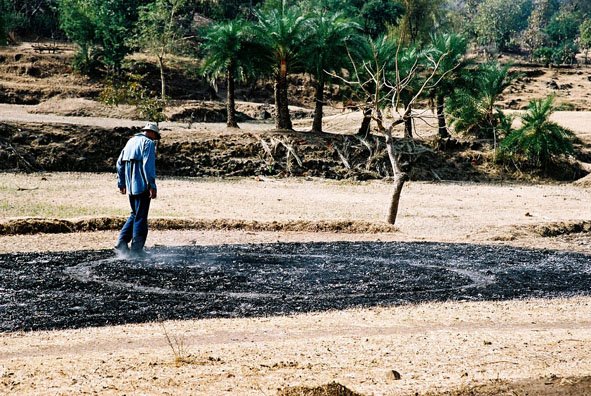
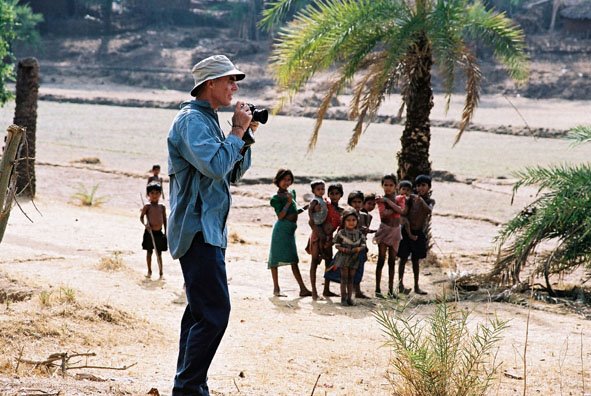
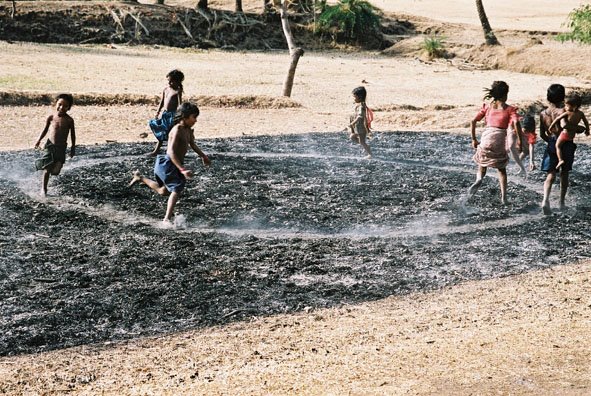
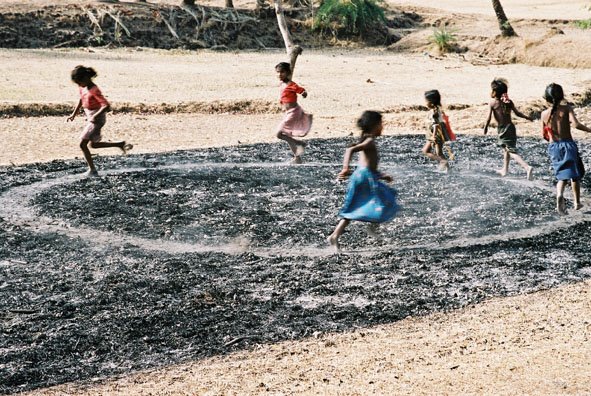
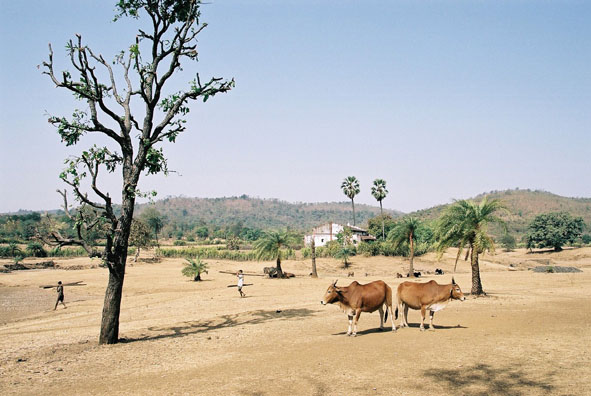
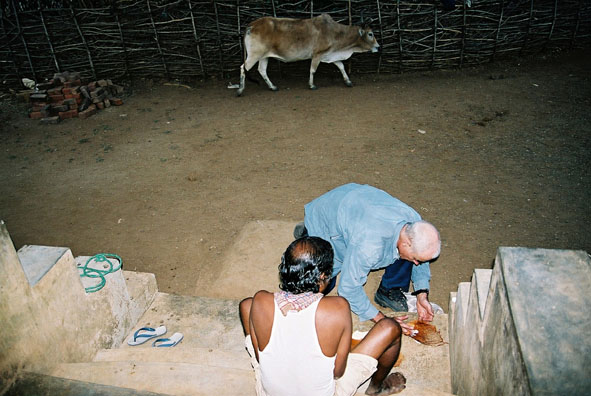
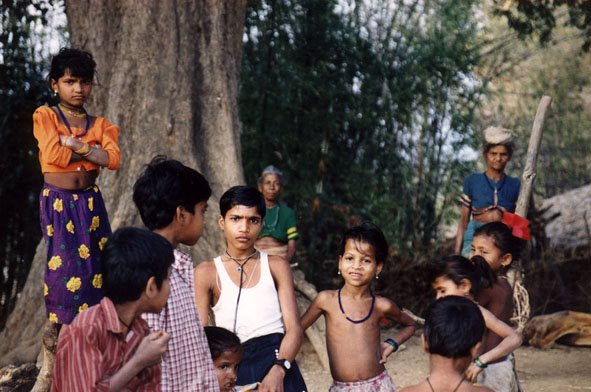
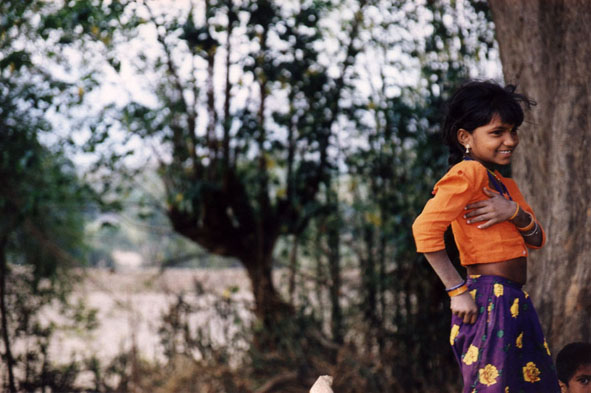
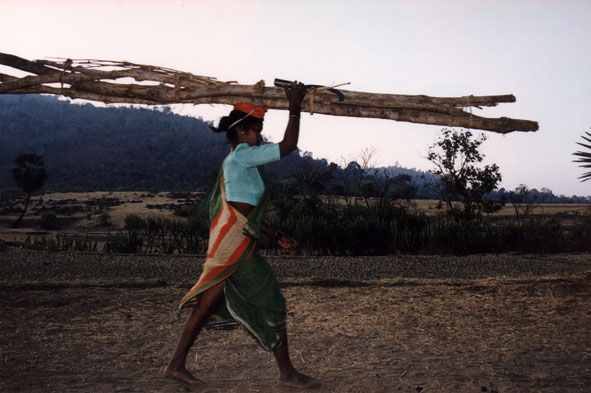
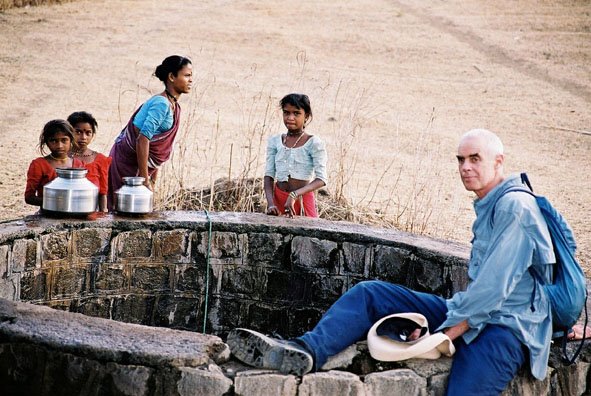
RICHARD LONG | WARLI LAND MAHARASHTRA 2003


RICHARD LONG | JIVYA SOMA MASHE

India 2003

jivya soma mashe richard long
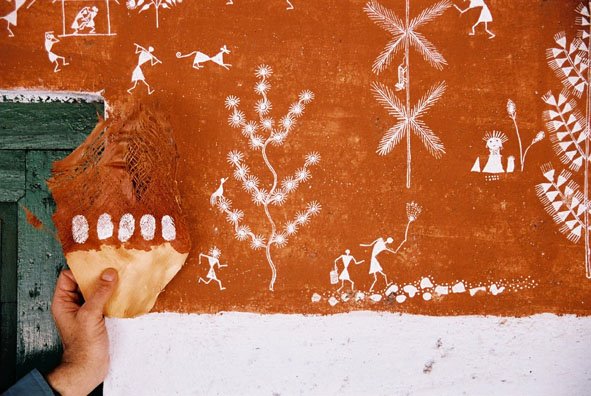
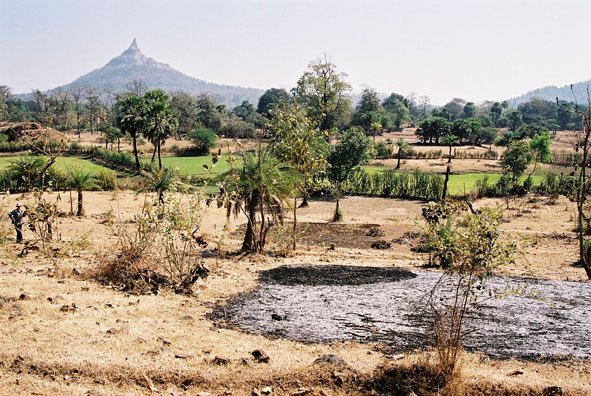
The Sacred Mountain, Warli land

jivya soma mashe richard long india
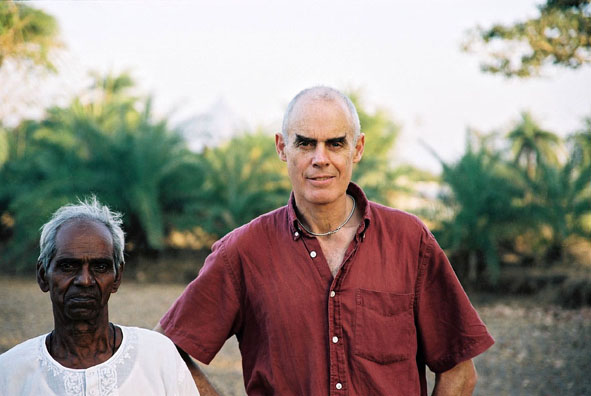
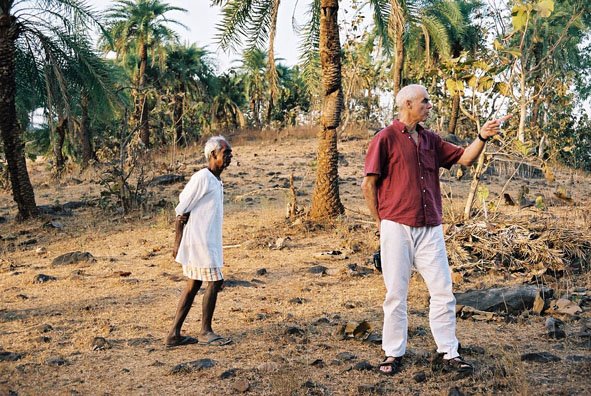
Jivya Soma Mashe and Richard Long

jivya soma mashe richard long warli tribe
Jivya Soma Mashe and Richard Long

jivya soma mashe richard long warli painting
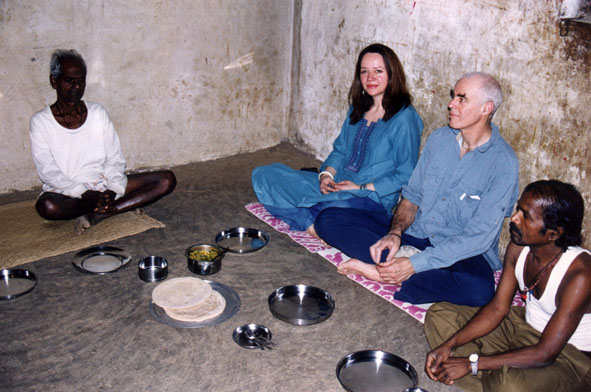
Jivya Soma Mashe, Denise Hooker, Richard Long and Sadashiv Mashe in Jivya's home

warli jivya soma mashe richard long
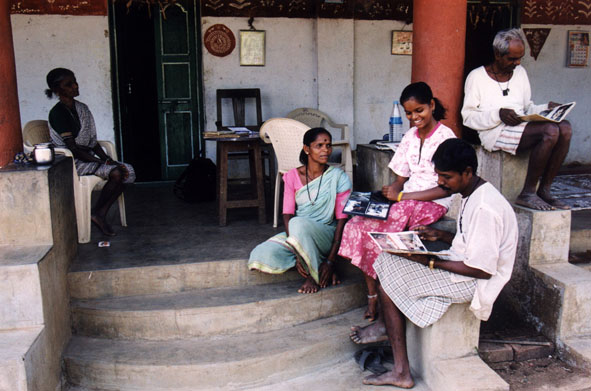
Mashe family at home

other masters jivya soma mashe richard long
Sadashiv and Jivya Soma Mashe showing one of Jivya's painting

land art jivya soma mashe richard long
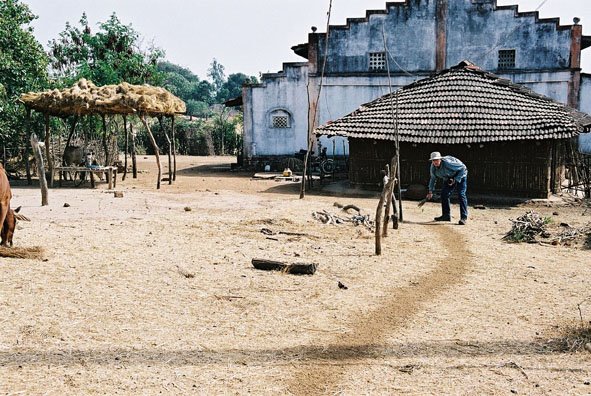
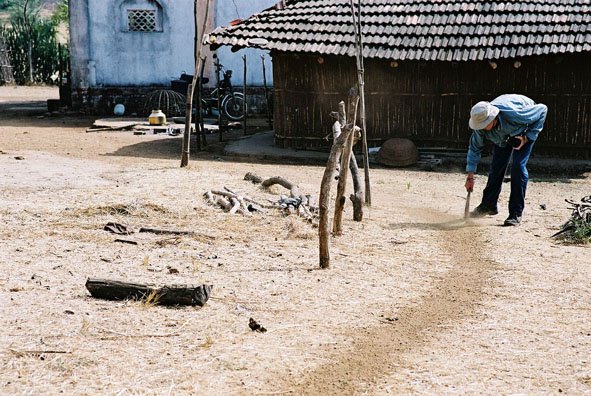
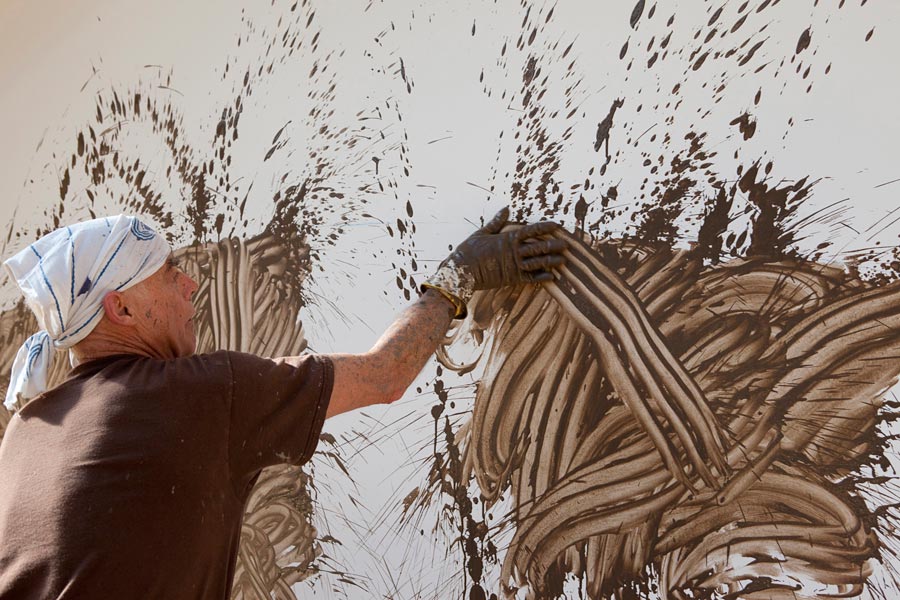
"Brushed Path - A Line for Jivya", Richard Long, work in progress

indian contemporary art jivya soma mashe richard long


india jivya soma mashe richard long


"A Walking and Running Circle", Richard Long, work in progress


Jivya Soma Mashe house


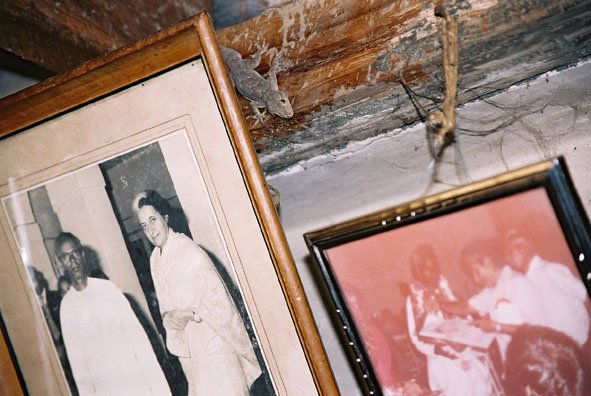
Jivya Soma Mashe and Indira Gandhi


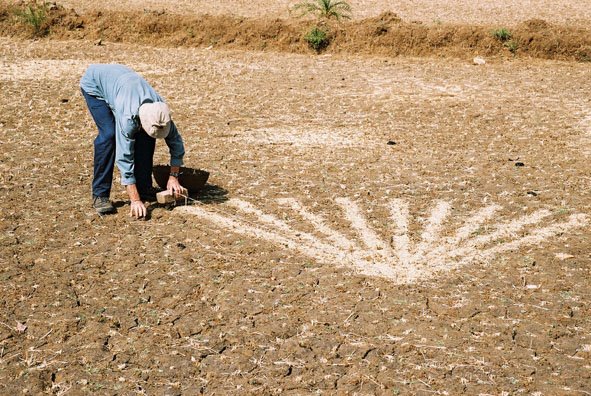
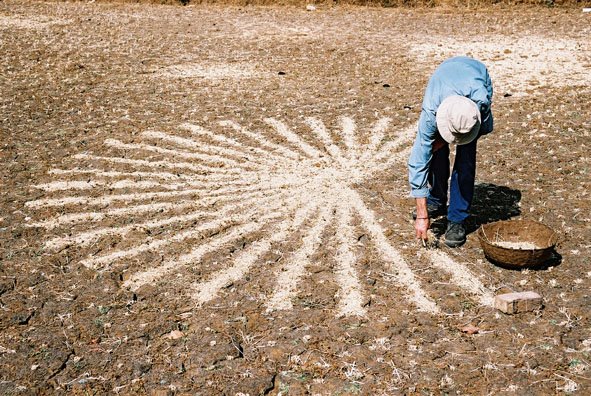
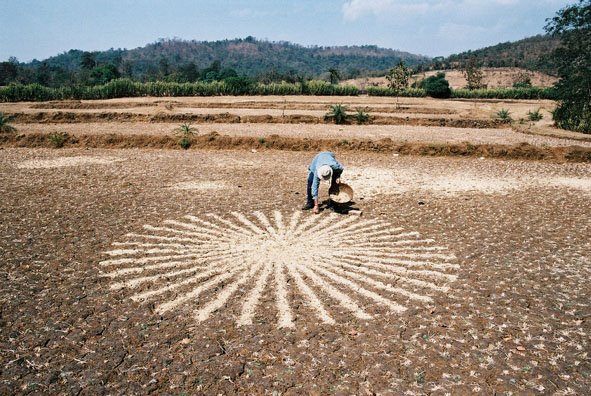
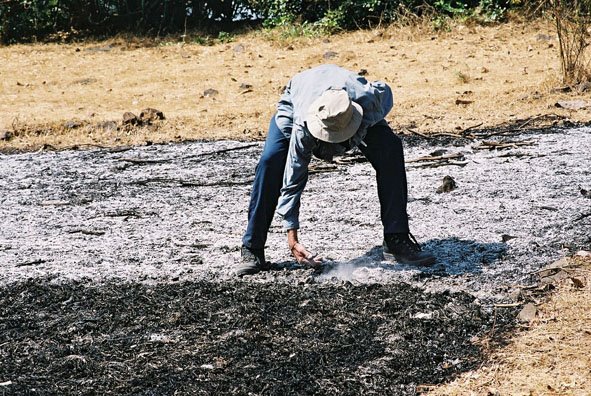
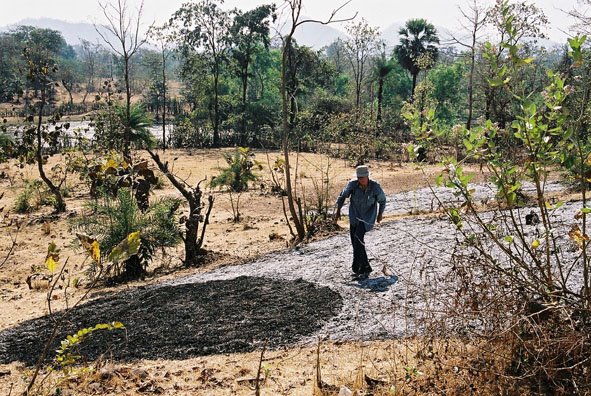
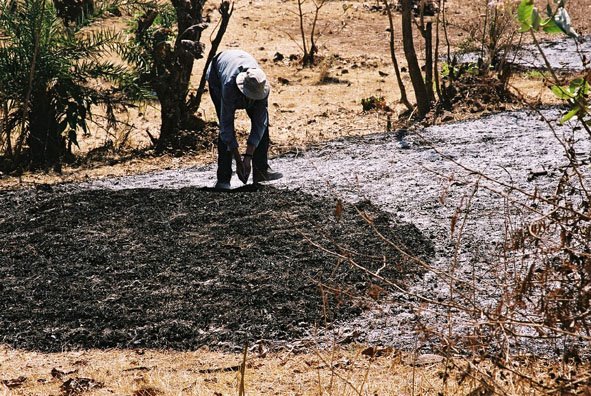
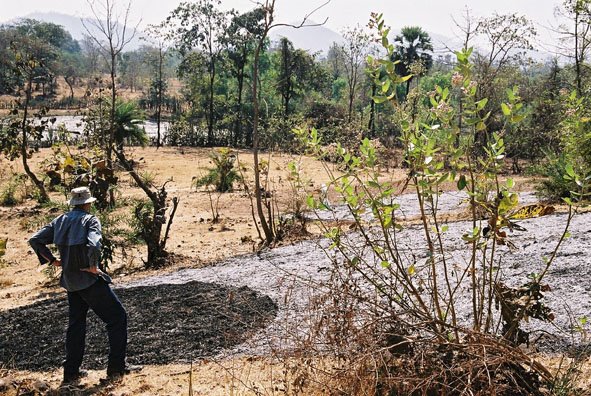
"Paddy Field - Chaff Circle", Richard Long, work in progress


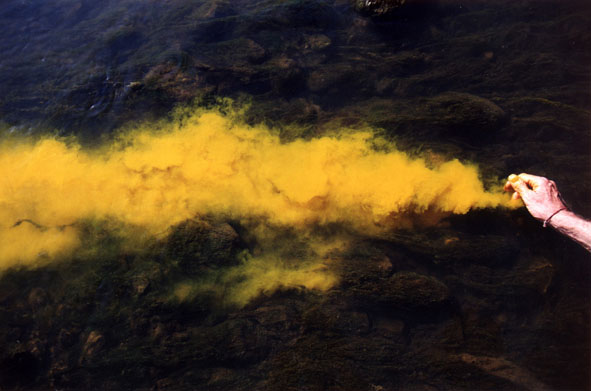
"Ash Arc", Richard Long, work in progress


"Tumeric Line I", Richard Long


"Tumeric Line II", Richard Long

Richard Long, Jivya Soma Mashe, Dialog. Museum Kunst Palast, Düsseldorf 2003
Catalogue German and English, Walther König Publisher

Richard Long, Jivya Soma Mashe, Un incontro.Padiglione d'Arte Contemporanea, Milano 2004
Catalogue Italian and French, Mazzotta Publisher

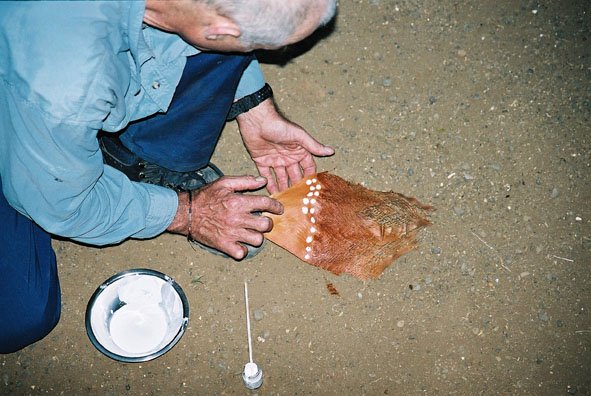
richard long brush a path front of the jivya soma mashe house

Brushed Path - A Line for Jivya, Richard Long, work in progress, India 2003, photos Hervé Perdriolle

Thanks to: http://long-mashe.blogspot.com

30.4.11

RICHARD LONG | BERLIN CIRCLE


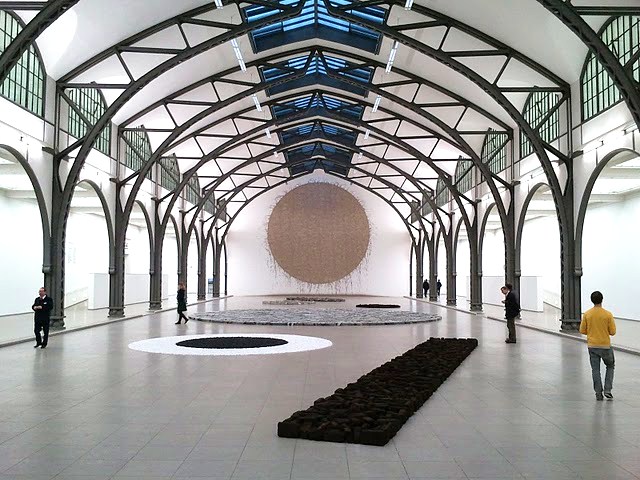
The current exhibition at Hamburger Bahnhof – Museum of Contemporary Art in Berlin takes the shape of the circle as the archetypal focus form. The main exhibition hall of the former train station (converted into a museum in 1996) has been turned into a sculptural landscape by the artist Richard Long, whose ‘Berlin Circle’ is part of the Museum’s permanent collection, by the collector Erich Marx.
Richard Long (*1945, Bristol, England) is one of the leading protagonists of ‘Land Art’, along with Michael Heizer, Walter de Maria and Robert Smithson. Coinciding with the first ecological movements in the USA and Europe, Land Art was first created in the 1960s by artists working concurrently but separately from each other, as a critical reaction to the classical genre of sculpture and the commercial art market. The transient and site-specific works, hewn in and from nature, were first unveiled to the public in 1968 in the ‘Earthworks’ exhibition at the Dwan Gallery in New York. A year later, in 1969, Gerry Schum coined the term ‘Land Art’ in his television programme of the same name, and it has been used ever since.
Richard Long uses the movement of his own body, the act of rambling and walking in the countryside as both the gauge and medium for his art. One of his earliest and most well-known works, ‘A Line Made by Walking’, from 1967, consisted in him pacing up and down a field in a straight line so often that a line was drawn in the grass, which the artist then captured on film in the form of a photograph. For over 40 years now, subsequent larger works have been created outdoors all over the world, in England, Canada, Japan and Bolivia: composed of large stone circles or lines made of wood. These temporary works are then documented in photographs. In contrast to such companions of his as Heizer and Smithson, Long’s works do not amount to an intervention in nature, executed in a series of great gestures, for he instead works with material already at hand.
Since he started out as an artist, Long has, however, also shown works in interior spaces. Here too, sculptures are created with archetypal forms of wood or stone: ovals, lines or circles. Long explains his choice of form as follows: ‘I like to use the symmetry of patterns between time, between places and time, between distance and time, between stones and distance, between time and stones. I choose lines and circles because they do the job.’ It is befitting then that the main work in the Hamburger Bahnhof exhibition, ‘Berlin Circle’, is a circle of stone, twelve metres in diameter, laid out on the floor. ‘Berlin Circle’ is an important work in the Sammlung Marx and was first unveiled and installed by the artist for the opening of the Hamburger Bahnhof in 1996. It serves as a thematic focal point in today’s exhibition, emphasising one of the artist’s core forms: the circle. Five other floor pieces are also on display in the historical hall, along with films by and on the artist.
‘My art is in the nature of things’ says Long, referring to the topicality of his works. By being consistently set in places where the nature of things appears in the works, they also throw light on questions in today’s discourse on the relationality, performativeness, transgressions and spatiality of art.
Curator: Prof. Dr. Eugen Blume, Curatorial Assistance: Dr. Katharina Schlüter
https://suitesculturelles.wordpress.com/2011/04/14/richard-long-berlin-circle/
THANKS TO http://en.gravatar.com/lescarabinieres

2.3.11

RICHARD LONG | WORKS + INTERVIEW


Richard Long Gold Rush, 2006 granite 252 x 312 inches 640.1 x 792.5 cm 

Richard Long From Water to Water, 2006 white mud, black paint and vinyl text on wall 130 x 469 inches 330.2 x 1191.3 cm 

Richard Long Onion Valley Stones, 2005 chromogenic print, unique 42 x 54 inches 106.7 x 137.2 cm 

Richard Long From Enclosure to Circle, 2005 chromogenic print, unique 42 x 54 inches 106.7 x 137.2 cm 

Richard Long Clover Lake Camp Stones, 2005 chromogenic print, unique 42 x 54 inches 106.7 x 137.2 cm 

Richard Long Pacific Crest Trail Stones, 2005 chromogenic print, unique 42 x 54 inches 106.7 x 137.2 cm 
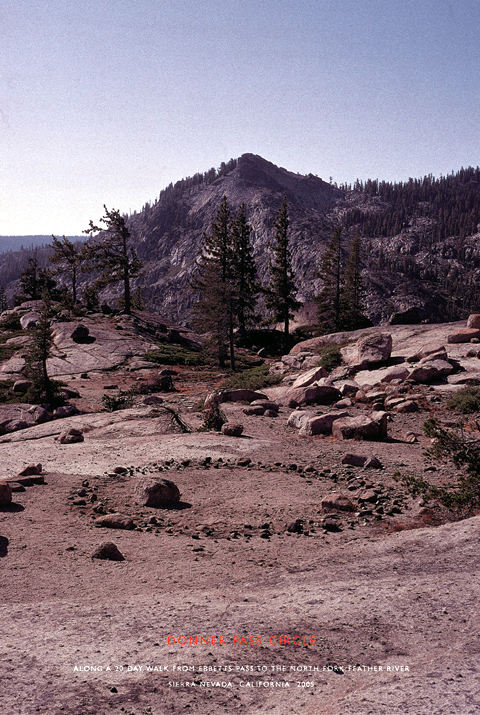
Richard Long Donner Pass Circle, 2005 chromogenic print, unique 54 x 42 inches 137.2 x 106.7 cm 
  
Richard Long 13th Street Ellipse, 2004 red and green/blue slate 198 x 80 inches 5m x 2 m 
  
Richard Long Chelsea Cairn, 2002 Texas sandstone 8 feet diameter 2.4 m 

Richard Long Petrified Cottonwood Circle, 2000 petrified cottonwood 50 inches diameter 1.3 m 

Richard Long Walking to a Solar Eclipse, 1999 wall text 79 x 220 inches 2 m x 5.6 m 
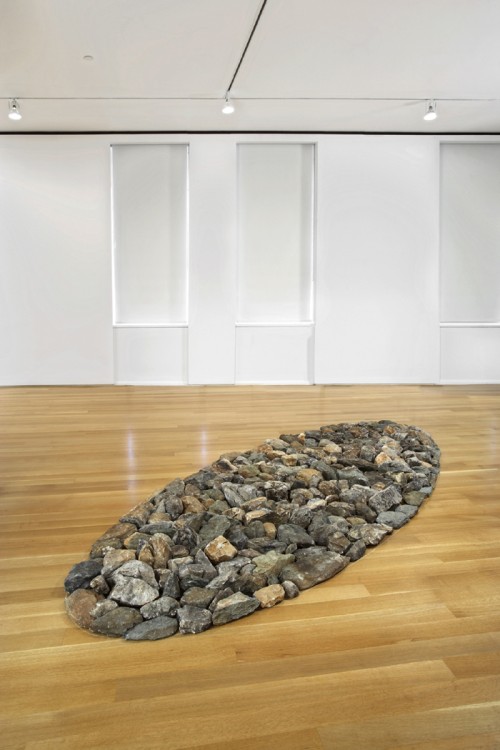
Richard Long Mountainside Ellipse, 1999 stone 6 1/4 x 149 1/4 x 59 7/8 inches 16 x 379 x 152 cm 

Richard Long The Space of Time, 1999 framed text 41 1/2 x 62 inches 105.4 x 157.5 cm.frame

Richard Long Chubut Circle, 1997 slate from North Wales 14 feet diameter 4.2 m diameter 

Richard Long Houston Circle, 1996 Texas sandstone 13 feet diameter 4 m 
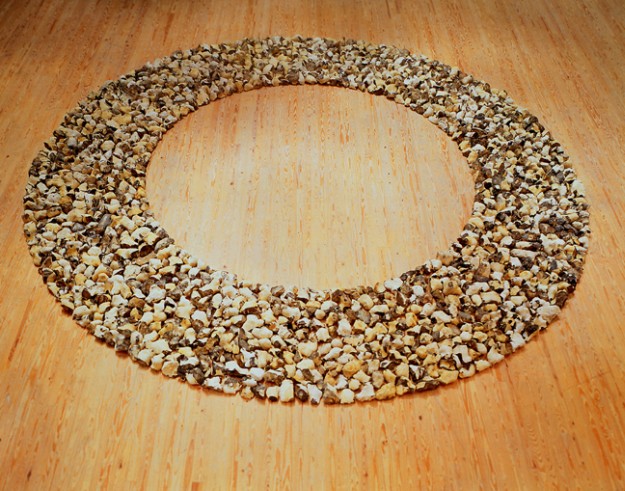
Richard Long Ring of Flint, 1996 English flint from Norfolk 20 feet diameter 6 m 

Richard Long Red Mud Circle, 1994 terracotta clay and black acrylic paint on wall 148 inches diameter 3.7 m 

Richard Long White Water Circle, 1991 mud and black paint on wall 159 x 174 inches 4 x 4.4 m 

Richard Long Quantock Wood Circle, 1981 285 pieces of wood 16 feet diameter 

Richard Long Green Slate Spiral, 1980 63 pieces of green slate 10 feet diamter 3m 

Richard Long County Cork, Ireland, 1967 black and white photograph 30 5/8 x 40 7/8 inches 77.8 x 103.8 cm 


Selected Interview:
The AI Interview: Richard Long 
Artinfo.com, 5 July 2006 
5 July 2006, by Robert Ayres

Richard, let me begin by asking you about your current show. One of the works is a photo and text piece titled This global warming seems to be doing us some goodA Dry Seven Day Coast to Coast Walk across Ireland, Winter 2006. That title rather surprised me. It almost sounds like a joke.
It’s just something slightly ironic that somebody said to me while I was on the walk, as a comment on the nice weather. The other panel of that piece says The land here is very bad, which was also a comment made to me by a farmer that I happened to be passing. It’s a very common expression that the locals use, because on the one hand, it’s idyllically beautiful there, it’s stunning scenery, but from the point of view of a farmer, his cattle haven’t anything to eat.
The reason I asked you about This global warming seems to be doing us some good was because I’ve never really thought of your work as having a sense of humor.
It’s not the primary purpose of my work, obviously. But if you pay attention over the years, a little wit creeps in, as do references to music. It just depends how well you know the work. There are subtle nuances in many of the text works.
The other thing I wanted to ask you about was how your work has been understood so differently over the years. When you first appeared on the scene in the late ’60s, you were seen as an irreverent revolutionary who seemed to want to turn sculpture on its head …
Yes.
… whereas now you’re seen very much as part of longstanding romantic landscape tradition.
Well, I might quibble about the use of the word “romantic,” but certainly a landscape tradition, absolutely, yes. But perceptions are bound to change over the course of 30 or 40 years, aren’t they? One can’t have the same position in the art world. I have a different view of my own work now than I did when I was a young artist. There’s more of it, for a start, and the cumulative effect of it also changes the perception.
Of course, a young man whom no one knows walking a line over a meadow [A line made by walking, England, 1967is perceived very differently to an artist with a huge body of work behind him.
Sure, yes. And I would argue that the fact that I’ve continued to walk straight lines in many different geographical locations in all parts of the world, for different reasons, and for different lengths of time, enriches and changes the resonance of that very first line. If I’d just left it at that effort, and never walked a line again in my life, the significance of A line made by walking would be quite different now.
During the late ’60s and early ’70s, you were imagined to be part of a land-art movement. 
That’s another thing that’s changed. It was only because I was in a few shows with the American land artists. You could equally see my work in relationship to arte povera, for example. Obviously I am of my time, and I would say that my work is a synthesis of certain aspects of conceptual art, minimal art and maybe arte povera.
Unlike some of your contemporaries, your work from that period doesn’t look like a relic from a distant time. And I think that’s because you haven’t made all sorts of different art since then—unlike someone such as Dennis Oppenheim, for example, who was imagined to be part of the same movement.
Yes, he’s been all over the place, hasn’t he? All I would say is that consistency and following a line of thought counts for something.
Consistency—like your use of the circle motif, which you’ve clearly found very sustaining throughout your career.
Exactly. It’s a powerful, strong idea that, as you say, has lasted throughout my career in different ways. In a way, time tests ideas, and if it’s a weak idea, it doesn’t pass the test of time, but if it’s a strong idea, then it does. That’s partly what all art’s about, isn’t it?
Finally, Richard, can you describe how you go about making work these days? I presume you’re approached all the time with commissions.
Yes. I resist many of them, because that’s not my preferred way of working. The works that I love to do most of all are just the walks in wilderness areas and making sculptures in the landscape in remote places. But my work has so many parallel threads: You mentioned circles, but you could talk about water, you could talk about stones, you could talk about time, you could talk about the big mud works that I make directly on the wall in galleries and museums, you could talk about my fingerprint drawings, you could talk about my mud works where I dip the paper in muddy water … there are many parallel but interrelated themes in my work.
So your preferred way to begin working is to identify a place?
A landscape. At the heart of my work is the fact that I make it myself. I have the pleasure of walking and being in these places and making these works in the landscape. It’s also a question of realizing particular ideas, too. So let’s say I have a certain idea about the symmetry of time and places, I can actually carry it out personally by walking that idea. In other words, there’s no point in getting somebody else to do it. The point of my work is my own physical engagement with the world in different ways, whether it’s walking, or making fingerprints, or throwing stones, or whatever.
(end)

Interview Source:
Image Source:

THANKS TO - https://farticulate.wordpress.com/